Gold Dental Crowns: Why Some Patients Still Choose Them
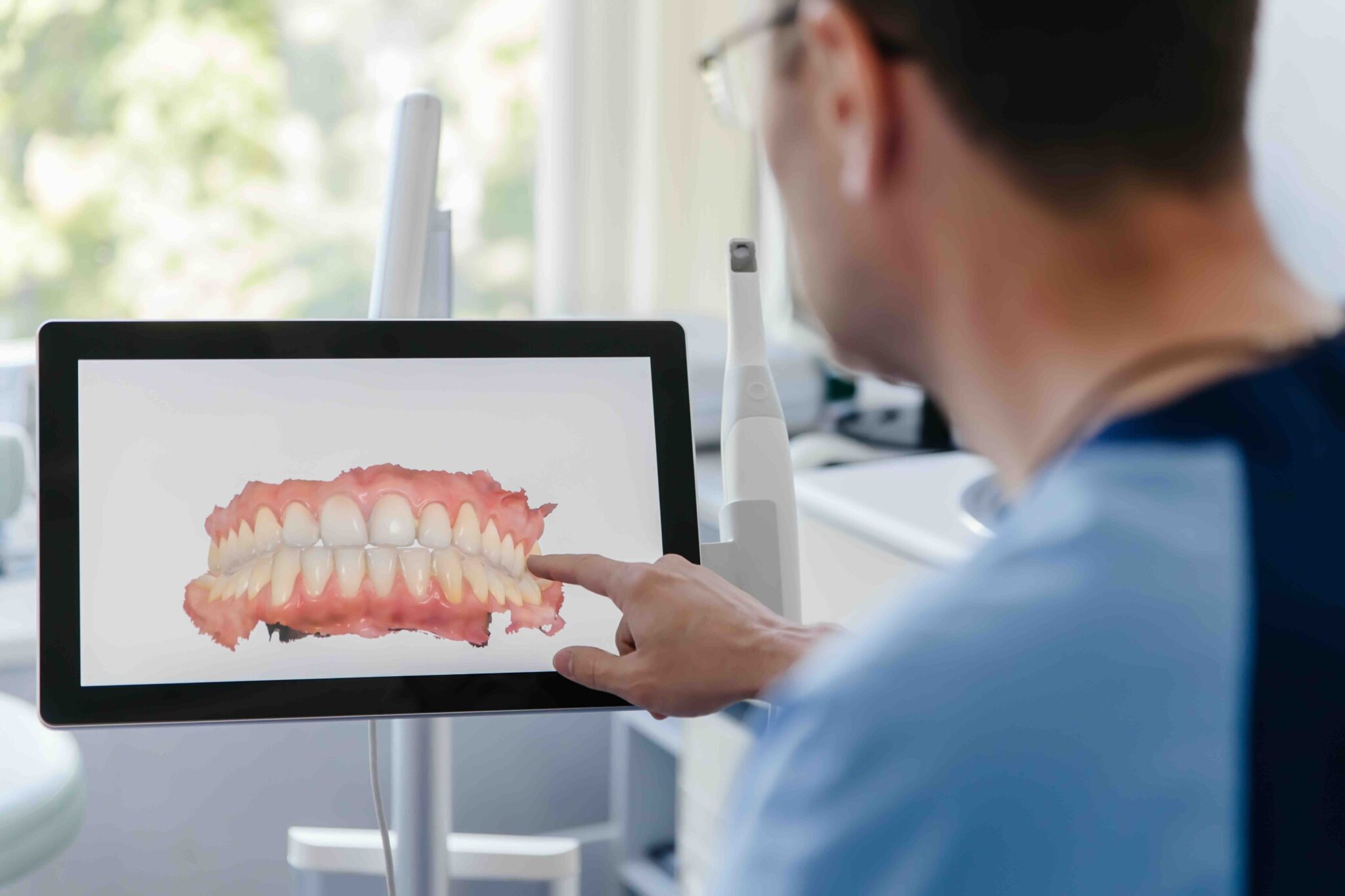
Gold has a reputation problem in dentistry. Mention a gold crown and many people picture something flashy, outdated, or reserved for an earlier era of dental care. Yet in real clinical conversations, gold still comes up for a simple reason: it works remarkably well in the right situation.
That surprises patients who arrive assuming that the newest tooth-colored material must always be the best. Modern ceramics are excellent, and for front teeth they are Dental Crowns often the obvious choice. But when the discussion shifts to back molars, heavy chewing forces, long-term durability, and how a crown behaves over decades rather than years, gold enters the picture for practical reasons, not nostalgia.
The conversation around dental crowns tends to focus on appearance first. Understandably so. Most people want a restoration that disappears into their smile. But crowns are not decorative items. They are engineering solutions inside a difficult environment, one that combines moisture, temperature changes, bacteria, grinding, acidic foods, and repeated force day after day. A material that performs beautifully in a brochure can behave very differently after ten or fifteen years in a real mouth.
That is where gold continues to earn respect.
What a gold crown actually is
When patients hear the word "gold," they sometimes imagine a soft, pure metal shaped like jewelry. A dental gold crown is not that. It is usually made from a high noble alloy, often containing gold along with other metals such as platinum, palladium, or silver, depending on the formulation. The exact composition varies, and dentists and labs choose among alloys based on strength, handling, and cost.
This matters because pure gold alone would be too soft for many clinical uses. Dental alloys are designed to balance strength, workability, and wear characteristics. They are cast or milled to fit a prepared tooth with precision, then cemented into place. In the mouth, a well-made gold crown is dense, smooth, and stable. It does not chip like porcelain can. It does not rely on layered esthetic coatings that may fracture. It does one job extremely well: it protects a damaged tooth under load.
In practice, gold crowns are most commonly used on back teeth, especially molars that do not show much when a patient smiles. It is much less common for someone to choose a visible gold crown on a front tooth today, although some still do for personal or cultural reasons.
Why dentists still respect gold
There is a reason older dentists often speak about gold crowns with a certain affection. It is not sentimentality. It is years of seeing which restorations quietly hold up.
A properly designed gold crown has several mechanical advantages. One of the biggest is the way it wears. Gold is kind to the opposing tooth. That point is easy to miss, but it matters. Some harder ceramic materials can be excellent restorations and still create more wear on the tooth they bite against, especially if the surface becomes rough or the bite is not adjusted carefully. Gold tends to be gentler in function.
Another major advantage is how conservatively a tooth can often be prepared for gold. Many ceramic crowns need more room because the material requires a certain thickness to resist fracture. Gold can function well in thinner sections. That means the dentist may be able to remove less healthy tooth structure. In a profession where preserving natural tooth tissue is a core goal, that is not a small benefit.
Margins also deserve attention. The margin is the edge where the crown meets the tooth. A gold margin can be made very precise. Over time, that precision can support a cleaner, more stable seal, assuming the crown was well designed and the patient maintains decent hygiene. Anyone who has seen crowns fail around the edges due to leakage, recurrent decay, or poorly fitting margins knows why this matters.
Then there is longevity. No material lasts forever. Cement can fail, decay can recur, gum recession can expose margins, and teeth themselves can crack or need root canal treatment later. Still, gold has one of the strongest long-term track records among dental crowns. Many dentists have removed gold crowns after twenty or thirty years not because the crown itself failed, but because something changed in the underlying tooth.
The strength question, and what strength really means
Patients often ask which crown is "strongest." That sounds like a straightforward question, but strength in dentistry is more nuanced than it appears. A material can be very hard and still be brittle. Another can be less hard but more forgiving under repeated stress.
Gold performs well because it is not brittle. Under pressure, it can tolerate functional forces without chipping. On a heavily used molar, especially in someone who clenches or grinds, that resilience can be valuable. A ceramic crown may test very strong in a laboratory, but in the mouth the failure mode often matters more than the headline number. Gold is less likely to break catastrophically.
This is one reason some clinicians still prefer gold for second molars, those teeth far back in the mouth that absorb substantial force and are barely visible during conversation. If a patient tells you they cracked a porcelain crown while grinding their teeth, or they have gone through several restorations on the same back tooth, gold becomes easier to justify.
That said, strength is not the only criterion. A crown also needs to fit, function in the bite, work with the gum tissue, and suit the patient's preferences. Gold's advantages become most meaningful when they match the case.
The trade-off patients notice immediately
Gold's weakness is obvious: it looks like gold.
For some people, that ends the conversation. They do not want any visible metal, even on a back tooth. Others are surprisingly open to it once they understand where the crown will sit. A lower molar that only shows when someone opens very wide may not matter much to them. There are also patients who actively like the look. Not many, but enough that gold never disappeared entirely.
The esthetic trade-off is more than vanity. People speak, laugh, teach, perform, and work face-to-face. A restoration that makes a person self-conscious can affect quality of life, even if it is clinically excellent. That is why choosing a crown material is never just about mechanics. The best crown on paper is not always the best crown for the person wearing it.
Where gold often makes the most sense
Gold crowns tend to make the strongest case in a handful of situations. These are not rigid rules, but they come up often in practice.
- Back molars with very heavy chewing forces
- Patients who clench or grind and have a history of broken restorations
- Teeth where preserving as much natural structure as possible matters
- Areas with limited space between upper and lower teeth
- Cases where long-term durability matters more than appearance
A patient in their fifties with a heavily restored second molar is a classic example. Perhaps the tooth already has a large filling, maybe a crack line, and not much room between the jaws. A ceramic crown may still be possible, but a gold crown can offer a thinner, durable restoration that asks less sacrifice from the remaining tooth.
Another common scenario is the patient who has worn down multiple restorations. These are the people who say, "I break everything in my mouth." They often have broad, flat wear facets on the teeth and may not even realize how forcefully they grind at night. In those mouths, material selection becomes less about fashion and more about survival.
Gold versus porcelain and zirconia
The rise of all-ceramic crowns changed patient expectations. Porcelain-based materials and zirconia offer a tooth-colored result that can look excellent. For visible teeth, they are often the preferred solution. For less visible teeth, the comparison gets more interesting.
Porcelain fused to metal crowns were once the standard compromise, combining a metal substructure with a porcelain exterior. They still have uses, but they can chip, and over time the porcelain or metal margin may become noticeable at the gumline. Full ceramic and zirconia crowns reduced some of those concerns, though each material has its own technical considerations.
Gold differs from these options in how it behaves under stress and how much tooth reduction it usually needs. It also differs in how forgiving it can be over time. A chipped ceramic crown is hard to ignore. A worn gold crown often remains smooth and serviceable for years.
Here is a simple comparison that tends to reflect real-world decision-making:
| Crown material | Main advantage | Main drawback | Typical best use | |---|---|---|---| | Gold alloy | Durable, precise fit, conservative prep | Metallic appearance | Back molars under heavy load | | Porcelain fused to metal | Balanced strength and esthetics | Porcelain chipping, possible dark margin | Mixed functional and esthetic cases | | All-ceramic | Strong esthetics | May require more reduction, can fracture depending on type | Front teeth and visible premolars | | Zirconia | High strength with tooth color | Can be opaque, wear behavior depends on finish | Posterior teeth where esthetics still matter |
The table simplifies a more complicated reality, but it captures the core idea. Every material solves one set of problems while introducing another.
Cost, and why the answer is rarely simple
Patients often assume gold crowns are old-fashioned and therefore cheaper. That is often wrong. Gold alloy is expensive, and its price can shift with the metals market. Depending on the alloy used, the lab fee alone may be substantial. In some regions, a gold crown may cost as much as, or more than, a ceramic alternative.
The fee also reflects craftsmanship. A well-fitting cast gold restoration is not a bargain-basement product. It depends on accurate impressions or scans, good tooth preparation, a competent laboratory, and careful bite adjustment. There is skill in making a crown that seats cleanly and functions naturally.
That said, cost should not be judged only at the day of placement. Some patients who pay more upfront for a durable restoration feel they spent less over time because they avoided repeated repairs or replacement. That is not guaranteed, but it is a reasonable way to think about value.
Insurance rarely resolves the question neatly. Plans may cover a crown to a certain level and leave the patient to pay the difference for a particular material. Coverage rules vary, and the same plan can treat a visible front tooth differently from a back molar. It is worth asking the dental office for a pre-treatment estimate rather than assuming.
The fit factor that does not get enough attention
When people compare dental crowns, they usually talk about material, color, and price. Fit should be much higher on the list.
A crown that fits well at the margin and contacts neighboring teeth properly is easier to keep clean and less likely to trap food. Gold has a longstanding reputation for excellent fit, partly because of how accurately it can be cast and finished. This does not mean every gold crown fits perfectly, only that the material and fabrication methods can produce outstanding precision in experienced hands.
That precision can matter especially around the gums. A bulky or rough crown, no matter how attractive, can irritate soft tissue and become a plaque trap. In contrast, a polished gold surface is usually well tolerated by the tissues. Hygienists often notice this during cleanings. Gold restorations that have been in place for years can look surprisingly calm at the gumline compared with rougher or overcontoured work.
Patients do not always notice good fit immediately. What they notice is the absence of trouble. The floss snaps through normally. Food does not pack every evening. The bite feels natural after a short adjustment period. The area stays comfortable.
The quiet role of tooth preservation
One of the strongest arguments for gold is not flashy at all. It is the amount of healthy tooth that may be saved.
Every crown requires some reduction of the existing tooth so the new restoration has room to fit. The exact amount depends on the material and the condition of the tooth. With a cast gold crown, the reduction can often be more conservative than with certain ceramic options. That can be important when a tooth has already lost structure to old fillings, fractures, or decay.
Dentists who think long term often care deeply about this. A tooth only gets prepared so many times. Dental Crowns Each additional replacement crown may require further reduction, especially if decay creeps under the margins or the original restoration was aggressive. Preserving a little more sound dentin today can matter ten years from now.
This is not just theory. Teeth with thin remaining walls are more vulnerable. Endodontically treated teeth are often more brittle. A crown material that allows a conservative design may improve the odds that the tooth stays restorable if problems arise later.
What daily life with a gold crown feels like
Most patients adapt quickly. A new crown, regardless of material, may feel slightly strange for a few days because the tongue is sensitive to subtle changes in contour. Gold itself does not create a special sensation for most people once it is polished and adjusted properly.
Temperature sensitivity after placement usually depends more on the tooth, the cement, and whether the nerve inside the tooth was already irritated, rather than on the fact that the crown is gold. Some patients ask whether the crown will taste metallic. In a properly finished restoration, that is uncommon.
Chewing often feels very natural with a well-made gold crown. Its smoothness and wear pattern tend to blend into function rather than calling attention to themselves. Patients who grind may still need a night guard, because no crown material solves the underlying habit.
One practical note is that polished surfaces matter. Gold should be finished carefully. A rough bite adjustment that is not repolished properly can make any crown feel less comfortable and may influence wear. Good dentistry is never just the material, it is the execution.
Cases where gold may not be the best choice
Gold is not universally appropriate. A patient with a broad smile line who shows lower molars when laughing may feel bothered by the appearance. Someone with strong esthetic concerns may never be happy seeing metal, even occasionally. That is a valid reason to choose another material.
There are also cases where a tooth-colored restoration makes more sense because adjacent teeth are highly visible and the patient values a seamless look. A premolar near the corner of the smile is a common example. Even if gold would function well, many people would rather accept the trade-offs of ceramic for the visual result.
Metal allergies are another point that deserves a careful history, although true allergy to high noble gold alloys is not common. The broader issue is that "gold crown" does not mean one identical metal composition every time. Any patient with a known metal sensitivity should review the specific alloy with the dentist.
Finally, not every practice uses gold routinely anymore. Some offices have built workflows around digital scanning and same-day ceramic restorations. That convenience appeals to patients and clinicians alike. Gold usually involves laboratory fabrication and often at least two visits, unless a practice has unusual in-house capabilities. For some patients, speed matters enough to outweigh other considerations.
Questions worth asking before you decide
If a dentist suggests a crown and gold is one of the options, the most useful questions are practical ones.
- How visible will this crown be when I talk or smile?
- Am I a heavy grinder or clencher, and does that change your recommendation?
- How much natural tooth needs to be removed for each material option?
- What is the expected lifespan in my case, not just in general?
- What will my out-of-pocket cost be for each choice?
Those questions tend to lead to a better conversation than asking which crown is "best" in the abstract. The right answer depends on the tooth, the bite, the amount of remaining structure, the patient's habits, and what compromises that person can live with comfortably.
Why some patients choose gold without hesitation
There is a certain type of patient who hears the options and picks gold almost immediately. Usually, it is someone who values function above everything else. Sometimes they had a gold crown years ago that served them faithfully. Sometimes they are engineers, mechanics, farmers, or simply pragmatic people who want the restoration least likely to cause trouble on a back tooth.
Older patients in particular may remember relatives whose gold work lasted for decades. They are less concerned with whether a crown looks modern and more concerned with whether they will need the tooth redone in seven years. That perspective is not backward-looking. It is based on experience.
There are also patients who have already learned the hard way that not all pretty restorations are durable in their mouth. After one or two chipped porcelain crowns, their priorities change. They stop asking what looks most natural and start asking what lets them chew steak, nuts, crusty bread, and everything else without worry.
Why others never consider it
Just as predictably, some patients reject gold instantly, and often for good reasons. They may be in careers where appearance matters constantly. They may be younger and more conscious of how dental work looks in photos. They may simply dislike the idea of metal in the mouth. None of those concerns are shallow. Satisfaction with a restoration is part of successful treatment.
This is why material selection should never feel ideological. Gold is not superior because it is traditional. Ceramic is not superior because it is newer. A crown succeeds when it matches the clinical demands of the tooth and the personal priorities of the patient.
Gold remains relevant because teeth are functional structures before they are cosmetic ones. In back corners of the mouth where force is relentless and visibility is low, the old material still solves modern problems very well. That is why some patients, after hearing all the options, still choose gold dental crowns, not out of nostalgia, but because experience has shown that durable, precise, conservative dentistry never really goes out of style.
Simple Dental Vermont
Address: 8914 S Vermont Ave, Los Angeles, CA 90044
Phone number: +13239493000
FAQ About Dental Crowns
How much do crowns cost per tooth?
In the United States, a single dental crown typically costs between $800 and $2,500 per tooth without insurance. The ultimate out-of-pocket price depends heavily on the crown material, the location of the tooth, and whether you have dental insurance coverage.
What is the downside of crowns on teeth?
The primary downside of a dental crown is that the procedure permanently removes natural tooth enamel to shape the tooth for the cap.
Why do dentists push for crowns?
Dentists recommend crowns because a large filling cannot provide enough strength when a tooth loses a major portion of its structure or faces heavy chewing pressure.