Top Signs You Need an Emergency Dentist Right Away
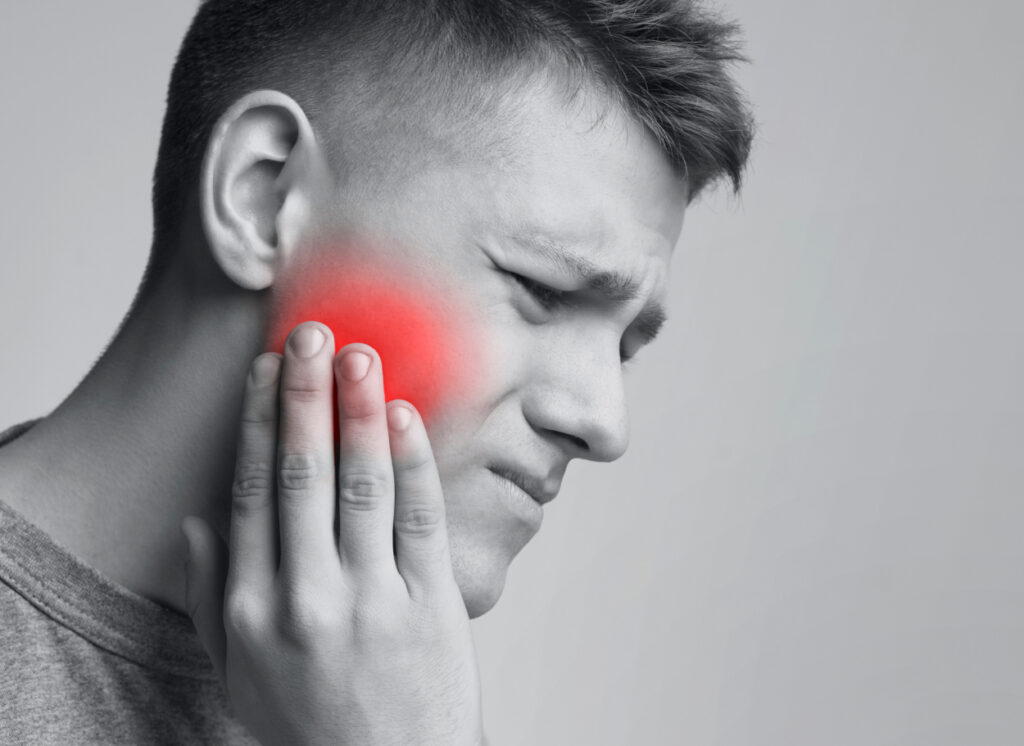
A dental problem can turn from annoying to serious in a matter of hours. I have seen patients try to sleep off a throbbing toothache, rinse with salt water for half a day, or wait until the weekend passes because they hope the pain will settle down. Sometimes it does not. Sometimes the delay is what turns a manageable issue into an infection, a cracked tooth into a lost tooth, or a few stitches into a hospital visit.
The hard part is that many dental emergencies do not look dramatic at first. You do not need to be holding a broken front tooth in your hand for the situation to count. A deep infection under a molar, swelling around the jaw, or bleeding that will not stop can be every bit as urgent, even if nothing is visible in the mirror.
Knowing when to call an Emergency Dentist is less about panic and more about judgment. The right response can protect your health, reduce pain faster, and improve the odds that a tooth can be saved. If you are in a large city and searching for an Emergency Dentist Los Angeles CA, timing matters even more because traffic, appointment demand, and after hours availability can affect how quickly you get care.
Pain that feels different from ordinary sensitivity
Most people know what mild tooth sensitivity feels like. Cold water hits one side of the mouth and there is a quick zing. It fades in a few seconds. That is not usually an emergency.
What raises concern is pain that keeps building, wakes you up, pulses with your heartbeat, or gets worse when you lie down. Those patterns often point to inflammation inside the tooth, pressure from infection, or damage to the nerve. Patients describe it as deep, hot, relentless, or impossible to ignore. Some say it radiates into the ear, temple, or neck. That kind of pain deserves urgent attention, especially if over the counter medication barely touches it.
A badly inflamed tooth does not always mean extraction. In many cases, quick treatment can preserve the tooth through a root canal, drainage, or stabilizing care until definitive treatment is done. But waiting too long can narrow your options. I have seen cases where a patient put off treatment for two or three days because they had an important meeting or were traveling, only to show up with major swelling and a far more complicated problem.
Pain also matters when it follows recent dental work. Soreness after a filling, crown, or extraction can be normal. Sharp escalating pain, bad taste, pressure, or swelling is not something to dismiss. If the discomfort is moving in the wrong direction rather than gradually improving, it is worth treating as urgent.
Swelling in the face, gums, or jaw is never something to ignore
Swelling is one of the clearest signs that you may need an emergency dentist right away. A small puffy gum near one tooth can indicate an abscess. Swelling along the cheek or jaw can suggest the infection has spread beyond the tooth itself. Once infection moves into facial spaces, the risk rises quickly.
This is where judgment becomes critical. People often focus only on pain, but a dental infection can be dangerous even when pain is moderate. If your cheek looks fuller than usual, your gum has a raised bump, or the area feels tight and hot, do not wait to see whether it "comes to a head" on its own. That phrase gets repeated a lot, and it leads many people to delay care they actually need.
The more urgent scenario is swelling paired with fever, chills, a foul taste from drainage, difficulty opening your mouth, or pain when swallowing. Those combinations suggest a problem that should be evaluated promptly. If breathing or swallowing becomes difficult, that moves beyond a typical dental office issue and may require immediate emergency medical care.
In cities where people juggle packed schedules, it is common to search for an Emergency Dentist Los Angeles CA after work and hope for a same day slot. That is exactly the right instinct when swelling starts. Hours matter.
A knocked out tooth creates a narrow window
A tooth that has been completely knocked out is one of the most time sensitive dental emergencies. The best chance of saving it usually comes when the tooth is replanted quickly. Adults and teenagers playing sports, children taking a fall, and drivers in even low speed accidents can all end up in this situation.
The first few minutes matter more than most people realize. If the tooth is a permanent tooth, handling it properly can make a real difference. Pick it up by the crown, not the root. If it is dirty, rinse it gently with milk or clean water for a few seconds. Do not scrub it. If possible, place it back in the socket and bite gently on gauze or a clean cloth. If that is not possible, store it in milk or inside the cheek if the person is old enough to do that safely without swallowing it.
Here are the immediate steps worth remembering:
- Retrieve the tooth quickly and touch only the crown.
- Rinse lightly if needed, but do not scrape or disinfect it.
- Try to place it back into the socket, or keep it in milk.
- Call an Emergency Dentist immediately and head there at once.
- If there are head injuries, heavy bleeding, or loss of consciousness, seek emergency medical care first.
Primary teeth are a different situation. If a baby tooth is knocked out, it is usually not replanted because of the risk to the developing permanent tooth underneath. That is one of those edge cases where doing what seems intuitive can be the wrong move. Even then, the child still needs prompt evaluation for soft tissue injuries, bite changes, and possible damage to neighboring teeth.
Cracked, broken, or displaced teeth can be more serious than they look
Not every broken tooth is an emergency, but many are. A tiny chip on the edge of a front tooth may be mostly cosmetic. A fracture that exposes dentin or pulp, causes pain with air, or changes how your bite closes is a different matter.
Cracks are especially tricky because they do not always show clearly. A person may say, "It only hurts when I bite and then release," or "It feels like one corner is flexing." That can signal a crack running through the tooth. If the crack deepens, the tooth may split or the nerve may become inflamed. Fast evaluation often gives the dentist more ways to stabilize or restore it.
When a tooth is pushed out of position after trauma, urgency rises again. Teeth that are intruded, extruded, or shifted sideways may sometimes be repositioned and splinted, but timing affects the outcome. The same is true for jaw injuries. If your bite suddenly feels off after an impact, you cannot close properly, or opening and closing the mouth hurts in a new mechanical way, you need prompt care.
The appearance of the tooth is only part of the story. What matters just as much is whether there is exposed nerve tissue, associated bleeding, mobility, or trauma to the surrounding bone and gums. I have seen teeth that looked only modestly chipped but were nonviable underneath, and others that looked dramatic but were highly repairable. That is why pain level alone should not be the only guide.
Bleeding that does not stop after an injury or extraction
The mouth is vascular, so some bleeding can look dramatic even when it is manageable. A little oozing after an extraction or after biting the lip is common. Bleeding that continues despite pressure is not.
If you have had a tooth removed and the socket is still bleeding steadily after you have bitten on gauze for the time your dentist recommended, contact the office. The cause may be as simple as a clot that did not form well, or as involved as medication related bleeding or a disrupted surgical site. People taking blood thinners need especially careful guidance here. That does not automatically mean there is a crisis, but it does mean you should not guess your way through it.
Trauma related bleeding needs the same common sense. A laceration in the lip, tongue, or gums may require sutures, and sometimes the soft tissue injury is more serious than the tooth injury. Tongue cuts can bleed heavily. If you cannot get bleeding under control with firm pressure, or if the person feels faint, care should be immediate.
Signs of infection that go beyond the tooth
A dental infection rarely stays politely confined once it gets moving. That is why dentists ask about fever, swelling, energy level, and swallowing. A bad tooth can affect the whole body, especially when the immune system is already under stress from diabetes, recent illness, chemotherapy, or certain medications.
One pattern I see often is a patient who says the pain actually got a little better, but now the face is swollen and there is a bad taste. They assume that means the tooth is "draining" and the problem is improving. Not necessarily. Sometimes pressure has found a path, but the infection is still active and spreading. Relief from pressure does not equal resolution.
These signs should prompt same day attention, and sometimes more than that:
- Facial swelling that is increasing
- Fever or chills along with dental pain
- Trouble swallowing or opening the mouth
- Pus drainage or a persistent foul taste
- Swollen lymph nodes under the jaw or in the neck
If those symptoms are severe, especially with breathing difficulty or pronounced swelling under the jaw, urgent medical evaluation is the safer choice. Dental infections can become systemic. That is not alarmism, it is simply the reality of anatomy and how quickly infections can travel 24 hour emergency dentist Los Angeles in the head and neck.
A lost filling or crown is not always minor
People are often surprised to hear that a missing crown or large filling can become an emergency under the right circumstances. If the exposed tooth is not painful and the structure underneath is intact, it may be acceptable to schedule a prompt but not immediate visit. If the tooth is sharp, highly sensitive, or breaks further after the restoration comes off, the urgency rises quickly.
A lost crown on a front tooth may be mostly a social emergency. A lost crown on a back tooth with a weak root canal treated tooth may be a functional emergency because the remaining tooth can fracture if you keep chewing on it. That is a practical distinction dentists make all the time. The same event can carry different risks depending on the tooth and what has been done to it before.
Temporary cement from a pharmacy can sometimes protect the area for a very short time, but it is a stopgap, not a repair. Superglue is never appropriate in the mouth. It sounds obvious until you meet the number of people who have tried it.
When jaw pain, limited opening, or bite changes suggest something bigger
Tooth pain gets attention. Jaw problems often do not, at least not right away. But if you cannot open fully, your bite shifted suddenly, one side closes before the other, or your jaw hurts sharply after trauma, that may signal a dislocation, fracture, or injury to the joint and surrounding structures.
This is especially relevant after sports injuries, falls, and car accidents. Sometimes the patient is focused on a chipped tooth and misses the fact that the entire lower jaw is sore or unstable. Numbness of the lower lip after trauma is another red flag because it can point to nerve involvement or fracture in the lower jaw.
There is also a quieter category of urgency, acute infection around wisdom teeth. A partially erupted wisdom tooth can trap bacteria under the gum flap and create severe pain, swelling, bad breath, and difficulty opening the mouth. This can escalate quickly and often presents in young adults who assume it is "just wisdom teeth coming in." It may be that, but if opening is limited and swallowing hurts, urgent care is wise.
Children, older adults, and medically vulnerable patients need faster judgment
Not every patient presents the same way. A healthy adult with a localized toothache may have more room to monitor symptoms for a few hours than an older adult with multiple health conditions, or a child who cannot describe what hurts. That difference matters.
Children may show a dental emergency through behavior before words. Refusing to eat, waking at night, drooling, crying when one area of the mouth is touched, or suddenly avoiding brushing can all be clues. Trauma is also common in children, and baby teeth complicate decisions about whether to reposition or replant. Prompt professional advice prevents well meant mistakes.
Older adults may underreport pain or assume discomfort is just part of wearing dentures, having old crowns, or "getting older." It is not. Infection, ill fitting prosthetics causing ulcers, and root fractures under large old restorations are all common in this group. Add medications, dry mouth, and slower healing, and a problem can become serious faster than expected.
People with diabetes, suppressed immune systems, certain heart conditions, or recent major surgery should be especially cautious. A dental infection in these patients can destabilize other health issues. This is where a good Emergency Dentist does more than fix teeth. They coordinate care, consider the medical picture, and know when the safest move is referral or co management.
What can wait until a routine dental visit, and what should not
There is a middle ground between a cosmetic annoyance and a midnight emergency. A rough edge on a tooth that is not painful, a tiny chip without sensitivity, or food packing around an old filling may be urgent, but not necessarily emergent. The problem is that people often misclassify what they are feeling.
If you are unsure, think in terms of function, infection, and progression. Can you eat and drink? Is swelling present? Is the pain getting worse hour by hour? Is the tooth mobile, the bite altered, or the bleeding persistent? Those details matter more than whether the tooth "looks bad."
A simple rule I often give patients is this: if the problem is affecting sleep, causing swelling, following trauma, or changing how the mouth functions, it should be treated as urgent until a dentist says otherwise. That approach catches far more true emergencies than trying to self diagnose from appearance alone.
What to do while you are trying to be seen
First, protect the area. Avoid chewing on the painful side. If there is swelling, a cold compress on the face may help with comfort. Rinse gently with warm salt water if the tissues are irritated, unless you have been given different postoperative instructions. Use over the counter pain relievers only as directed on the label, and avoid placing aspirin directly on the gum. People still do this, and it can burn the tissue without helping the cause.
If a tooth has broken, keep any fragments and bring them with you. If a restoration came out, bring that too. If there has been trauma, note the time of injury and whether there was any dizziness, nausea, or loss of consciousness. Those details help the dental team decide how fast and how broadly to evaluate.
When calling an Emergency Dentist Los Angeles CA, be specific. Do not just say, "My tooth hurts." Say, "The left lower molar has throbbing pain, my cheek is swelling, and I have a fever," or "My front tooth was knocked out 20 minutes ago and it is in milk." Clear information gets you triaged correctly.
Why speed matters more than people think
Dentistry rewards fast decisions. An abscess caught early may need local treatment and medication. The same abscess two days later may need drainage, more extensive treatment, or hospital based care. A knocked out tooth handled correctly within a short time window may be saved. Left dry on a napkin for hours, it often cannot. A cracked tooth stabilized early may be crowned. Left to split under chewing pressure, it may be lost.
That is the practical reality behind the phrase Emergency Dentist. It is not marketing language when used properly. It reflects a type of care built for problems that cannot wait for the next opening two weeks from now.
If something in your mouth feels acutely wrong, trust the pattern more than the hope that it will pass. Severe pain, swelling, trauma, uncontrolled bleeding, and signs of infection are not symptoms to negotiate with. They are signals to act. Getting the right evaluation quickly is often what makes the difference between a straightforward fix and a much harder recovery.
Simple Dental Vermont
Address: 8914 S Vermont Ave, Los Angeles, CA 90044
Phone number: +13239493000
FAQ About Emergency Dentist Los Angeles CA
What can the ER do for a tooth?
The emergency room can provide temporary symptom relief for a bad tooth, such as prescribing pain medicine or antibiotics, but it cannot fix the actual dental problem.
What is the 3-3-3 rule for tooth infection?
The 3-3-3 rule for a toothache or infection typically means taking three 200 mg ibuprofen tablets (600 mg total) three times a day for no more than three days to control pain and swelling while waiting to see a dentist.
What do you do if you have a dental emergency but no dentist?
If you have a dental emergency and no regular dentist, you should search for an urgent care dental clinic, call local walk-in dental offices, or go to a hospital emergency room if you have severe bleeding, swelling, or trouble breathing.